Water-based (hydronic) underfloor heating systems are known for their comfort, efficiency, and ability to deliver even warmth throughout the home. But beneath the surface lies a complex network of pipes, valves, and controls – and at the centre of it all is the manifold.
Often called the “control hub” of an underfloor heating system, the manifold plays a vital role in distributing heat, regulating flow, and ensuring every room gets the right temperature. When something goes wrong, the manifold is one of the first components engineers check during repairs.
In this article, we’ll explore the role of manifolds in water underfloor heating systems, common manifold-related problems, and why they’re so central to repair and maintenance.
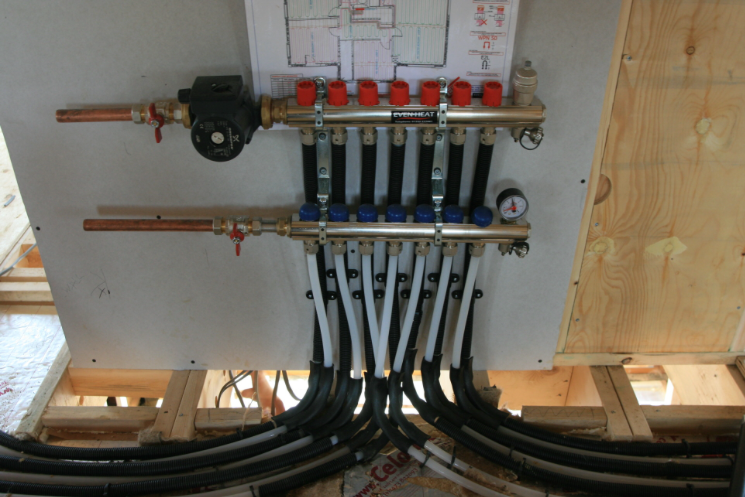
1. What Is a Manifold?
A manifold is a control unit that connects the central heating source (such as a boiler or heat pump) to the individual circuits of underfloor heating pipes running beneath your floors.
It typically includes:
- Flow and return bars – distributing warm water into circuits and collecting cooled water back.
- Flow meters – indicating how much water is moving through each circuit.
- Control valves – adjusting water flow to regulate temperature in each zone.
- Air vents and drains – to release trapped air and allow maintenance.
- Pump and mixing valve (sometimes integrated) – to regulate water temperature before it enters the floor pipes.
The manifold is usually located in a cupboard, utility room, or near the boiler – making it one of the most accessible components of an otherwise hidden system.
2. The Role of the Manifold in Heating Performance
The manifold ensures that:
- Water flow is balanced across all circuits, so rooms heat evenly.
- Temperature is controlled by mixing hot water from the boiler with cooler return water, protecting pipes and flooring from overheating
- Zones can be managed individually, allowing certain rooms to be warmer or cooler depending on preference.
- Air is released from the system, preventing airlocks that reduce efficiency.
Without a properly functioning manifold, even the best-designed underfloor heating system will underperform.
3. Common Manifold Faults
Over time, manifolds can develop issues that affect the whole system:
- Sticking or seized valves – stopping water flow in one or more circuits.
- Blocked or dirty flow meters – making it hard to balance the system.
- Leaks around connections or joints – leading to water damage and pressure loss.
- Pump failure – preventing hot water from circulating through the pipes.
- Mixing valve faults – resulting in water that’s too hot (risking damage) or too cold (leading to cold floors).
- Air build-up – causing noisy pipes and uneven heating.
Because the manifold manages so many key functions, even a small fault can create significant performance issues.
4. Diagnosing Manifold Problems
When underfloor heating isn’t working as expected, engineers often start at the manifold. Signs of manifold-related issues include:
- Uneven heating between rooms.
- Cold patches despite the boiler working.
- Noisy circulation or “gurgling” sounds.
- Visible leaks or drips near the manifold.
- Flow meters showing little or no movement.
- System losing pressure regularly.
Using tools like thermal imaging, pressure tests, and manual inspection, professionals can confirm whether the manifold is the source of the problem.
5. Manifold Repair vs Replacement
Not all manifold issues require full replacement.
Repairs May Include:
- Cleaning or replacing blocked flow meters.
- Replacing faulty actuators or valves.
- Fixing leaks around joints or seals.
- Bleeding the system to remove trapped air.
- Servicing or replacing pumps and thermostatic mixing valves.
Full Replacement Is Needed If:
- The manifold is very old and worn out.
- Corrosion or extensive leaks are present.
- Spare parts are unavailable (common with outdated models).
While replacement is more costly, it can restore system efficiency and reliability for years to come.
6. Why Professional Help Matters
Attempting to service or repair a manifold without proper training is not recommended. Risks include:
- Over-tightening connections and causing leaks.
- Damaging valves or flow meters during disassembly.
- Incorrectly balancing circuits, leading to uneven heating.
- In hydronic systems, failing to comply with UK regulations if connected to a boiler.
Qualified engineers have the skills and tools to repair or replace manifolds safely, ensuring your underfloor heating runs smoothly.
7. Real-World Example
A homeowner in Bristol noticed that their open-plan living area remained cold while other rooms were warm. On inspection, the engineer found that one of the manifold valves was stuck closed, preventing water flow to that zone. By replacing the faulty valve and rebalancing the system, the heating was restored in under two hours – with no need to disturb flooring.

Conclusion
The manifold is the heart of a water-based underfloor heating system, responsible for regulating flow, balancing circuits, and controlling temperature. When faults occur, manifold repairs are often the key to restoring performance quickly and efficiently.
Whether it’s a minor valve issue, a leaking connection, or a complete replacement, addressing manifold problems promptly can prevent bigger issues and ensure your home stays warm and comfortable.
If your underfloor heating isn’t performing as it should, don’t assume it’s a pipework problem beneath the floor – the answer may lie in the manifold.
