Underfloor heating is one of the most efficient and comfortable ways to heat a home. But like any system, faults can occur over time – from wiring issues and sensor failures to uneven heating across different rooms. Interestingly, many of these problems can be reduced or even prevented altogether with one simple upgrade: modern heating controls.
In recent years, heating controls have advanced rapidly. Gone are the days of basic dials and on/off switches. Today’s systems use smart thermostats, zoning technology, and automation to optimise performance, reduce strain on components, and ultimately cut down on the need for repairs.
In this article, we’ll explore how advances in heating controls reduce repair needs, what options are available, and why upgrading your controls is one of the smartest investments you can make in your underfloor heating system.
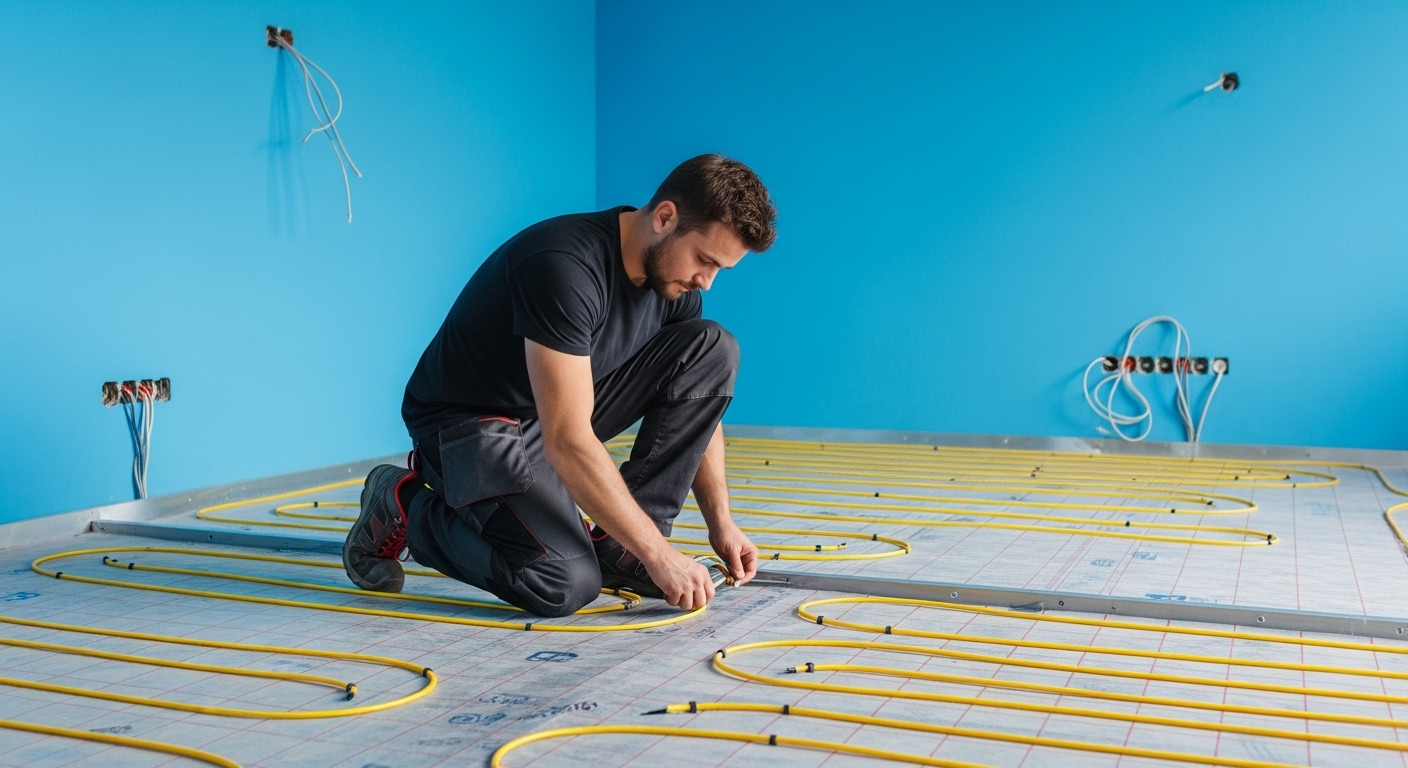
1. The Role of Heating Controls in Underfloor Heating
Heating controls are the “brain” of your underfloor heating system. They regulate when the system switches on, how warm it gets, and how heat is distributed across different zones in your home.
With traditional controls, systems often run less efficiently, placing unnecessary strain on pipes, cables, pumps, and boilers. Modern controls, however, are designed to optimise performance – reducing wear and tear while improving comfort.
2. Advances in Heating Controls
Smart Thermostats
Modern smart thermostats can:
- Learn your daily routines and adjust heating accordingly.
- Connect to Wi-Fi for remote control via smartphone apps.
- Use sensors to detect occupancy and prevent unnecessary heating.
By reducing overuse, they limit the strain on heating components – lowering the risk of faults.
Zoning Systems
Older underfloor heating setups often operate as a single zone, meaning the whole system switches on even if you only need heat in one room. New controls allow multiple zones, so each area of your home can be heated independently.
This reduces unnecessary usage, balances the workload across the system, and prevents over-heating, which often leads to component stress and breakdowns.
Weather Compensation Technology
Some advanced controls can link to external weather sensors. When outdoor temperatures drop, the system adjusts flow temperatures automatically, preventing the boiler or pump from overworking during cold snaps.
Integration with Smart Homes
Modern heating controls can integrate with wider smart home ecosystems such as Alexa, Google Home, or Apple HomeKit. This not only improves convenience but also ensures your heating operates only when truly needed – cutting down on unnecessary runtime and wear.
3. How Advanced Controls Reduce Repair Needs
Preventing Overheating
Smart controls prevent the system from running at higher temperatures than necessary. This protects pipes, cables, and flooring from heat damage.
Reducing Pump and Boiler Strain
By balancing flow rates and optimising demand, advanced controls reduce strain on pumps, manifolds, and boilers – key components that are expensive to repair.
Minimising Cold Spots and Imbalances
Zoning and better flow management reduce the risk of cold patches (often mistaken for faults), meaning fewer call-outs for unnecessary repairs.
Early Fault Detection
Some smart controls can send alerts if unusual patterns are detected – such as rooms not reaching set temperatures. This allows small issues to be caught before they escalate into costly repairs.
4. Cost and Energy Savings
Upgrading to modern heating controls doesn’t just prevent repairs – it also saves money in other ways:
- Lower energy bills: More precise heating control means less wasted energy.
- Longer system lifespan: Reduced strain on components prevents premature breakdowns.
- Fewer call-out fees: Fewer faults mean fewer visits from engineers.
In fact, many UK households recoup the cost of smart controls within just a few years thanks to reduced energy use and repair needs.
5. Real-World Example
A homeowner in London upgraded their 10-year-old underfloor heating system with smart thermostats and zone controls. Previously, the system ran across the whole ground floor every time it was switched on. After the upgrade, they could heat only the kitchen and living room when needed.
Not only did their energy bills drop by 20%, but they also avoided frequent call-outs for boiler pressure issues, as the system was under much less strain.
6. Why Professional Installation Matters
While many smart thermostats are marketed as DIY-friendly, integrating them with underfloor heating requires professional expertise. An engineer can:
- Ensure compatibility with your system.
- Set up zoning correctly.
- Balance flow rates for even heating.
- Provide guidance on how to use the controls effectively.
Professional installation also protects manufacturer warranties and ensures compliance with UK electrical regulations.
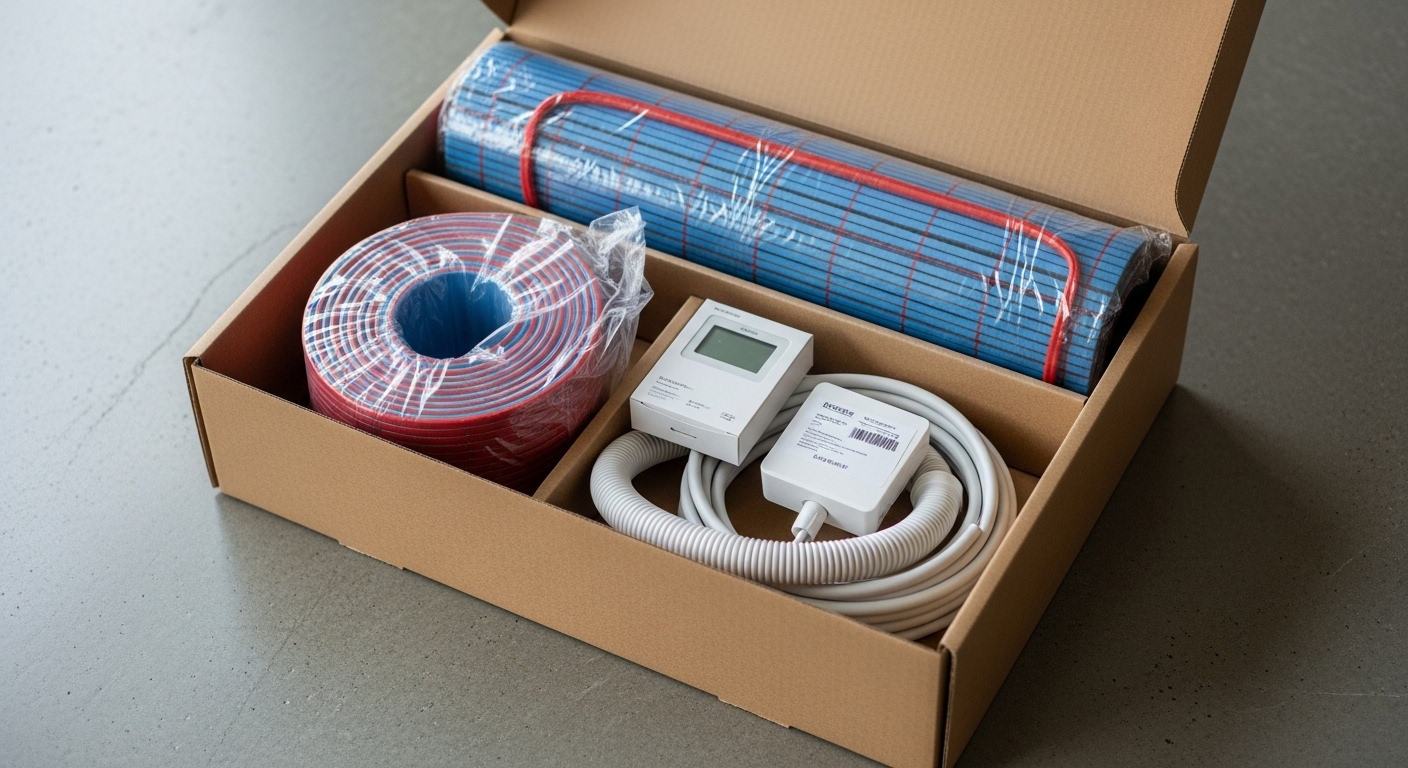
Conclusion
Advances in heating controls have transformed how underfloor heating systems are managed. From smart thermostats and zoning to weather compensation and smart home integration, these technologies reduce strain on components, extend system life, and significantly cut down on the need for repairs.
If you’re experiencing frequent underfloor heating issues – or simply want to protect your investment – upgrading your controls could be the smartest move you make.
With professional installation and the right setup, you’ll enjoy greater comfort, lower bills, and fewer repair worries for years to come.
