One of the biggest concerns homeowners have when their underfloor heating develops a fault is: “Will my flooring need to be ripped up?” Tiles, wood, and stone flooring are expensive to replace, and the thought of major disruption often deters people from calling in an engineer.
Fortunately, thanks to modern diagnostic technology and specialist techniques, professionals can now locate and repair faults in underfloor heating systems with minimal damage – often without disturbing the flooring at all.
In this article, we’ll explore how professionals pinpoint faults, the tools they use, and how they carry out repairs while keeping your home intact.
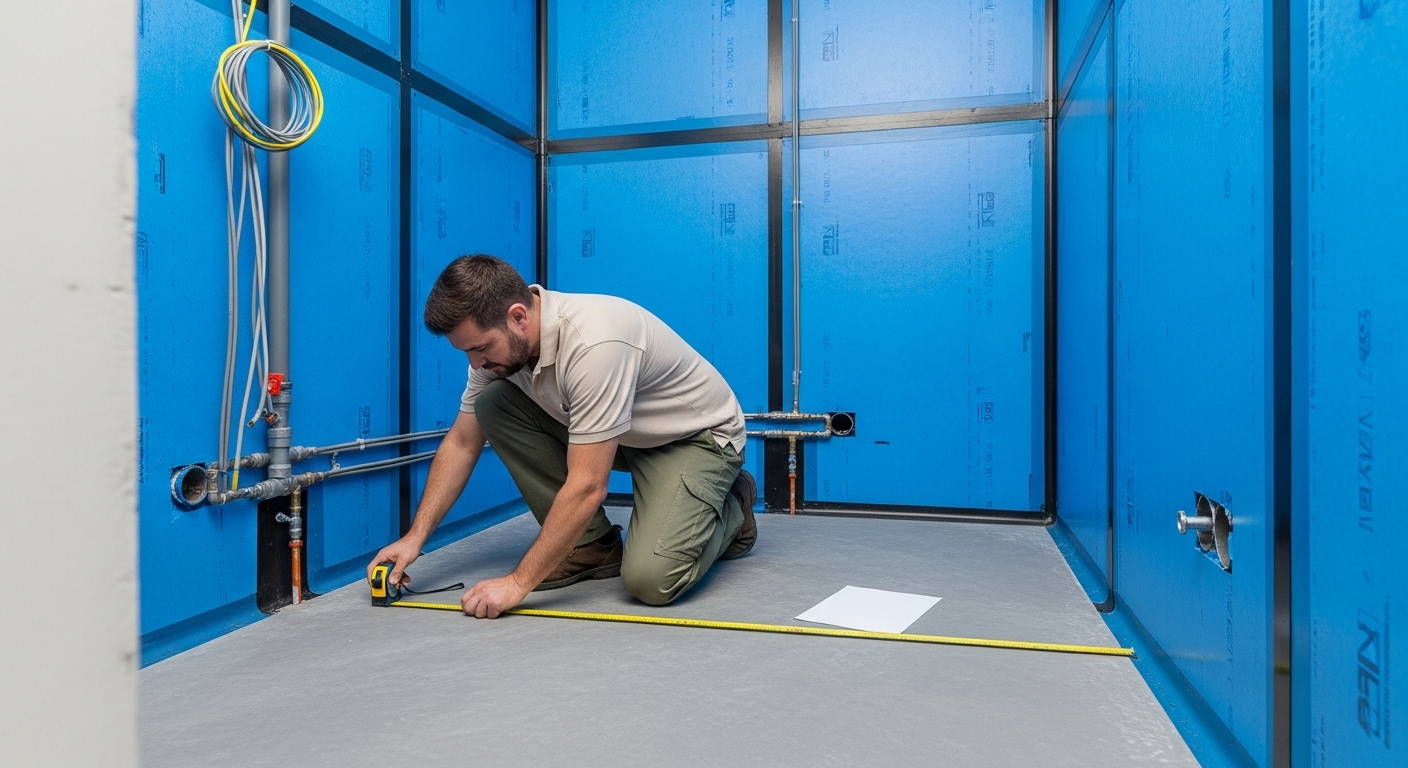
1. Why Finding Faults Is Challenging
Unlike radiators or boilers, underfloor heating is hidden beneath layers of flooring and screed. This makes diagnosing faults more complex. Common issues include:
- Cold patches on the floor.
- Thermostats not responding.
- System tripping the electrics.
- Leaks in water-based systems.
The challenge lies in identifying exactly where the problem is without lifting up large sections of flooring.
2. The Tools Professionals Use
Thermal Imaging Cameras
One of the most important diagnostic tools is the thermal imaging camera. By scanning the floor surface, engineers can see where heat is being emitted – and, crucially, where it isn’t. Cold spots highlight the exact location of breaks, leaks, or blockages.
Cable Testers and Multimeters
For electric systems, engineers use devices that measure resistance and continuity in heating cables. These can locate the point of a break to within a few centimetres, allowing repairs with minimal disruption.
Pressure Testing Equipment
In water-based (hydronic) systems, pressure testing helps identify leaks. A drop in pressure indicates a weakness in the pipework, and engineers can combine this with thermal imaging or tracer gas to pinpoint the leak location.
Tracer Gas Technology
Some professionals use hydrogen/nitrogen tracer gas in hydronic systems. When it escapes through a leak, sensitive detectors above the floor pick up the exact spot – often without any flooring being removed.
3. Non-Invasive Repair Techniques
Once the fault has been located, professionals use repair methods designed to minimise disruption:
- Cable splicing kits for electric systems: Engineers can access the fault through a single tile or small section of flooring, repair the cable, and reseal the area.
- Pipe clamps and joints for water systems: If a pipe is damaged, the faulty section can be repaired via a very small access point rather than lifting large areas of flooring.
- Grout line access: In tiled floors, engineers sometimes remove grout instead of entire tiles to reach a heating element.
These methods mean only the affected spot is disturbed, not the entire floor.
4. When Flooring Removal Is Unavoidable
In some cases, flooring must be lifted. This usually happens if:
- A break or leak is directly beneath tiles or stone.
- The system has multiple faults.
- The installation was poor and requires correction.
Even then, professionals aim to lift the minimum number of tiles or boards necessary. If you have spare tiles from the original installation, the floor can often be restored to look as good as new.
5. The Risks of DIY Attempts
Homeowners sometimes attempt DIY repairs, but without professional tools, this often means:
- Guessing where the fault is.
- Lifting far more flooring than necessary.
- Causing additional damage to cables, pipes, or tiles.
- Failing to resolve the fault completely.
In many cases, what could have been a quick, targeted repair becomes a costly floor replacement.
6. Real-World Example
A homeowner in London noticed a cold patch in their kitchen tiles. Fearing major disruption, they called a professional engineer.
Using thermal imaging and cable testing, the engineer located a small break in the heating cable under a single tile. The tile was carefully lifted, the cable spliced and sealed, and the tile replaced – all within three hours.
The homeowner was left with a fully functioning heating system and a floor that looked untouched.
7. Why Professional Repairs Are Worth It
Professional engineers bring:
- Specialist equipment that avoids guesswork.
- Experience in working with different flooring types.
- Targeted repairs that minimise disruption.
- Peace of mind knowing the system is safe and effective.
Ultimately, this saves homeowners money by avoiding unnecessary floor damage and repeat call-outs.
Conclusion
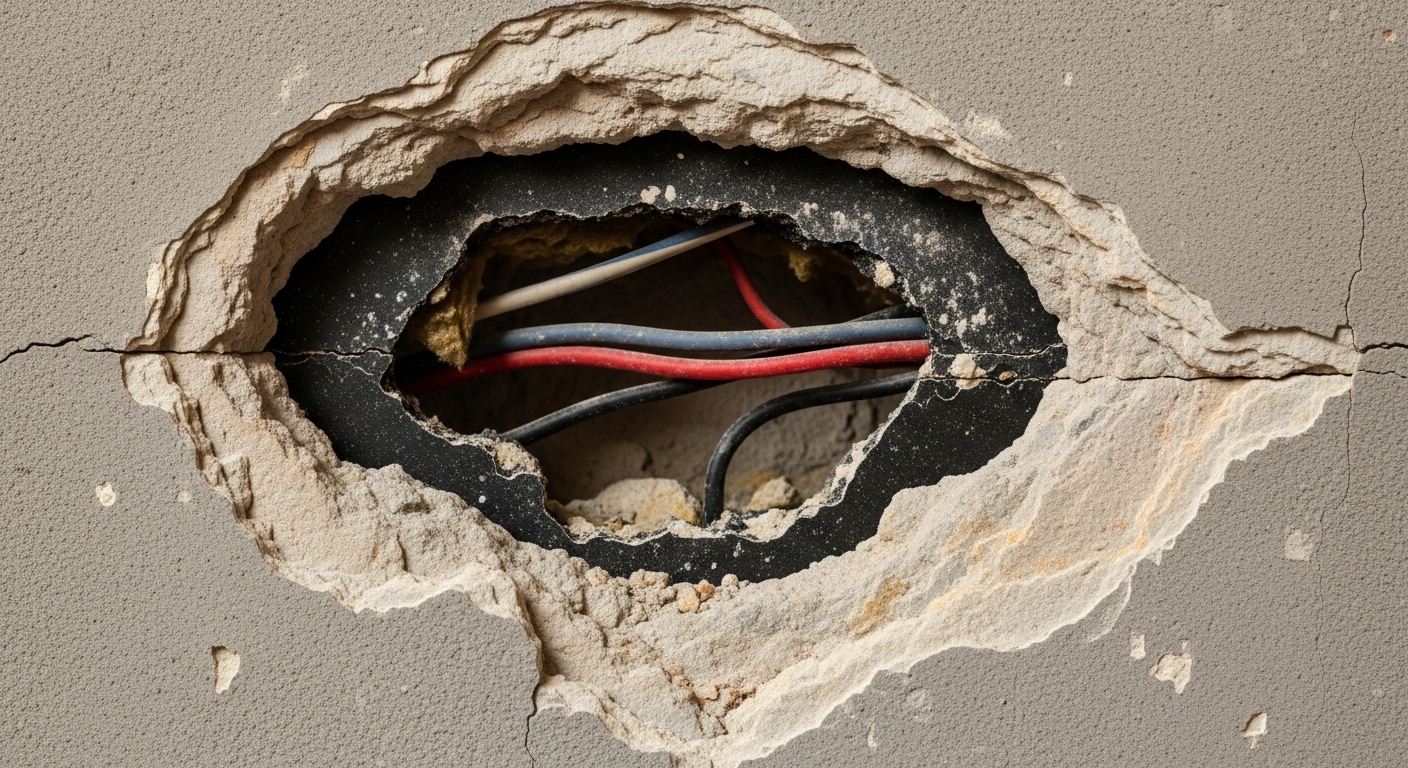
Modern technology has transformed the way underfloor heating faults are repaired. With tools such as thermal imaging, tracer gas, and precision testing, professionals can locate problems quickly and repair them through minimal access points – often without lifting any flooring.
While some cases do require limited tile removal, the disruption is far less than most people fear. Attempting DIY repairs, by contrast, usually results in more damage and higher costs.
If your underfloor heating isn’t working as it should, don’t panic about your flooring. Call in a qualified professional, and chances are they’ll have your system running again with barely a trace of disruption.
